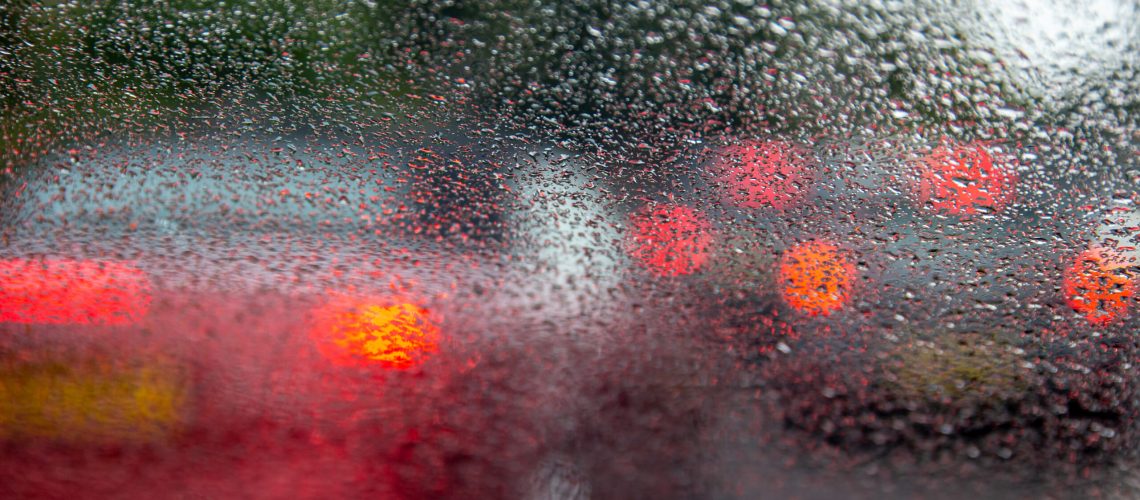

The clocks have gone back. The weather can’t make up its mind. And suddenly, every journey seems to involve either dazzling sunshine or driving in what feels like the middle of the night. Welcome to autumn driving!
If you’ve recently found yourself leaving home in the dark and coming back in the dark, you’re not imagining things. Autumn changes how we see the road, how much grip our tyres have and how quickly we can react to hazards.
And there’s a reason to take it seriously.
According to the AA’s Accident Assist data , crashes recorded by its service increased by an average of 11% in the three weeks after the autumn clock change compared with the three weeks before, based on data from 2022 to 2024.
So, before you blame everything on the weather, let’s look at seven autumn driving hazards and what you can do about them.
1. Dark mornings, darker evenings and the mysterious disappearance of daylight
One minute you’re driving home in daylight. The next, you’re squinting into the darkness, wondering whether you actually switched your headlights on.
Sound familiar?
Shorter days mean more journeys take place in low light. That makes it harder to spot pedestrians, cyclists and other hazards, while glare from oncoming headlights can make judging distances more difficult.
And don’t assume everyone else is easy to see. Not every cyclist has their lights on, and dark clothing can make pedestrians surprisingly difficult to spot.
Trident Top Tip:
Be seen, and look out for others.
* Check that your lights are clean and working properly.
* Make sure you know how to switch your lights on manually.
* Keep an extra eye out for pedestrians and cyclists, particularly near schools, junctions and parked cars.
Your car might have automatic lights, but it doesn’t have automatic common sense. If visibility is poor, check that your lights are actually on!
2. Wet roads, slippery leaves and the pothole lottery
Autumn rain can turn an ordinary road into a slippery one surprisingly quickly. Add wet leaves, mud from agricultural vehicles and standing water, and you’ve got a few extra things to think about.
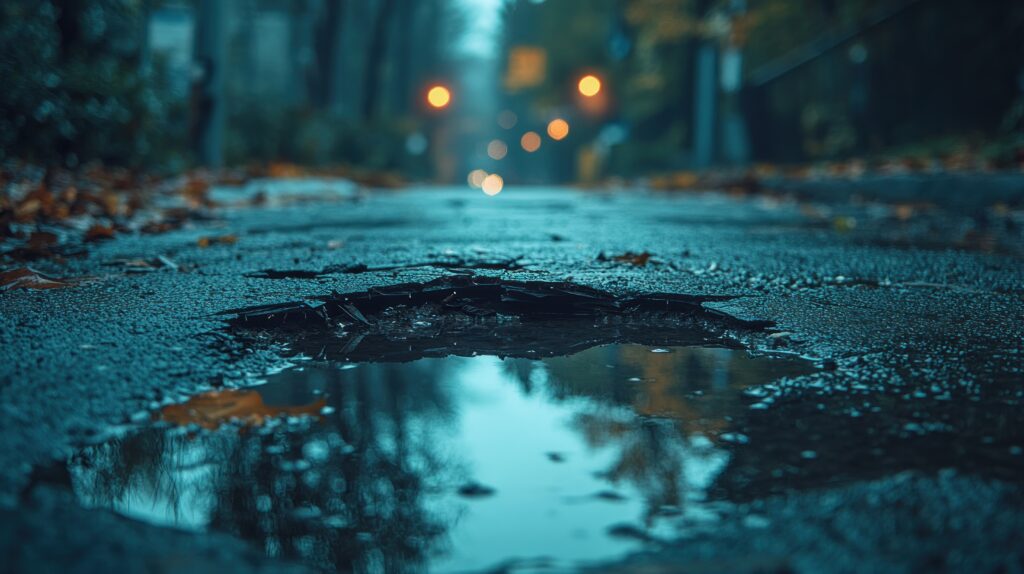
Wet leaves can be particularly slippery on bends, at junctions and in shaded areas. Meanwhile, puddles can conceal potholes and damaged road surfaces.
And trust us, discovering a pothole the hard way on a dark, wet night, with traffic whizzing past, is not the autumn adventure anyone ordered.
Neither is arriving at a busy roundabout and struggling to see the road markings through the reflections.
Your tyres matter, too. They help your car grip the road, steer and stop. Check their condition, pressure and tread depth regularly. The legal minimum tread depth for cars in the UK is 1.6mm, but don’t leave tyre checks until you’re close to that limit.
Trident Top Tip:
Less speed + more space = more time to react.
* Slow down to suit the conditions.
* Leave a bigger gap between you and the vehicle in front.
* Brake and steer smoothly.
* Keep your tyres in good condition.
The Highway Code advises that stopping distances are at least doubled on wet roads. Its usual minimum two-second following gap should also be doubled in wet conditions.
And remember: the speed limit is a maximum, not a target. Driving at the limit isn’t always driving at a safe speed.
Yes, we’re going to keep mentioning speed and space. There’s a reason!
3. Rain, spray, mist and fog: Can you actually see where you’re going?
Autumn weather has a talent for changing its mind halfway through a journey.
One minute you’re fine; the next, you’re following a lorry whose tyres are producing enough spray to recreate a small waterfall across your windscreen.
Rain, spray, mist and fog all reduce visibility. They can make it harder to judge the speed and distance of other vehicles, spot hazards and work out what’s happening further ahead.
And if your windscreen is misted up, your wipers are worn or your glass is dirty, things get even harder.
Trident Top Tip:
If you can’t see clearly, don’t drive as though you can.
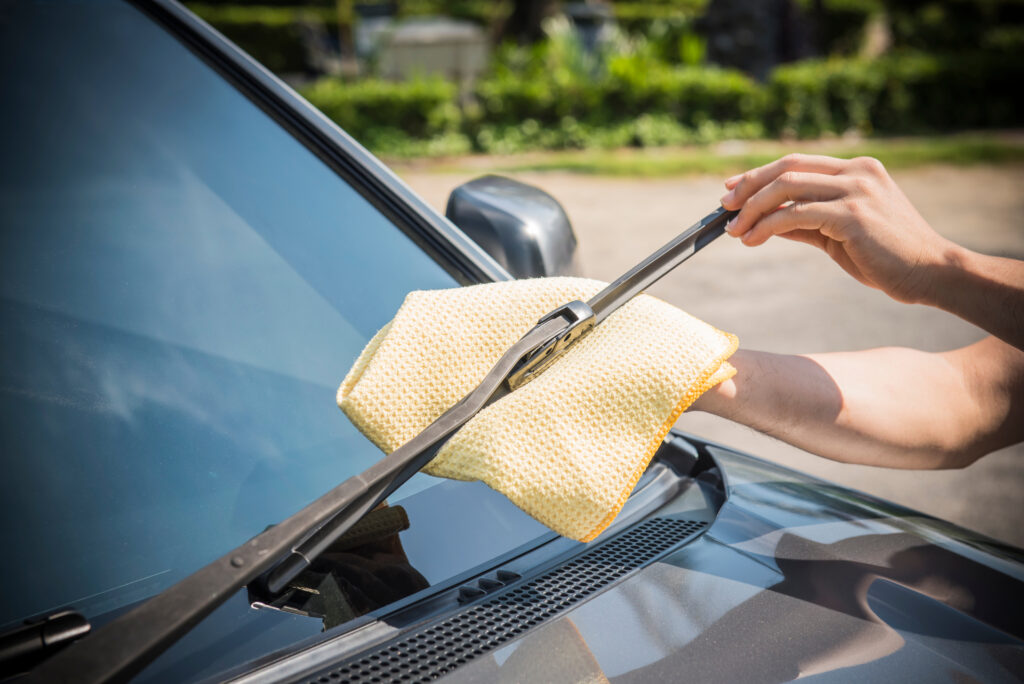
* Keep your windscreen clean inside and out.
* Check your wipers and top up your screenwash.
* Use dipped headlights when visibility is reduced, and make sure you know how to operate your lights.
* Use fog lights only when visibility is seriously reduced, and switch them off when visibility improves.
* Reduce your speed and increase your following distance.
Automatic headlights don’t always respond as you might expect in mist or fog, especially when the sky is still relatively bright. Check your lights rather than blindly trusting the AUTO setting.
And here’s that familiar message again: less speed, more space. We promise we’re not saying it just to fill the blog!
4. Pedestrians and cyclists: Spot them before they spot you
Here’s an autumn fashion mystery: why do so many of us swap brighter summer clothes for darker colours just as the evenings get darker?
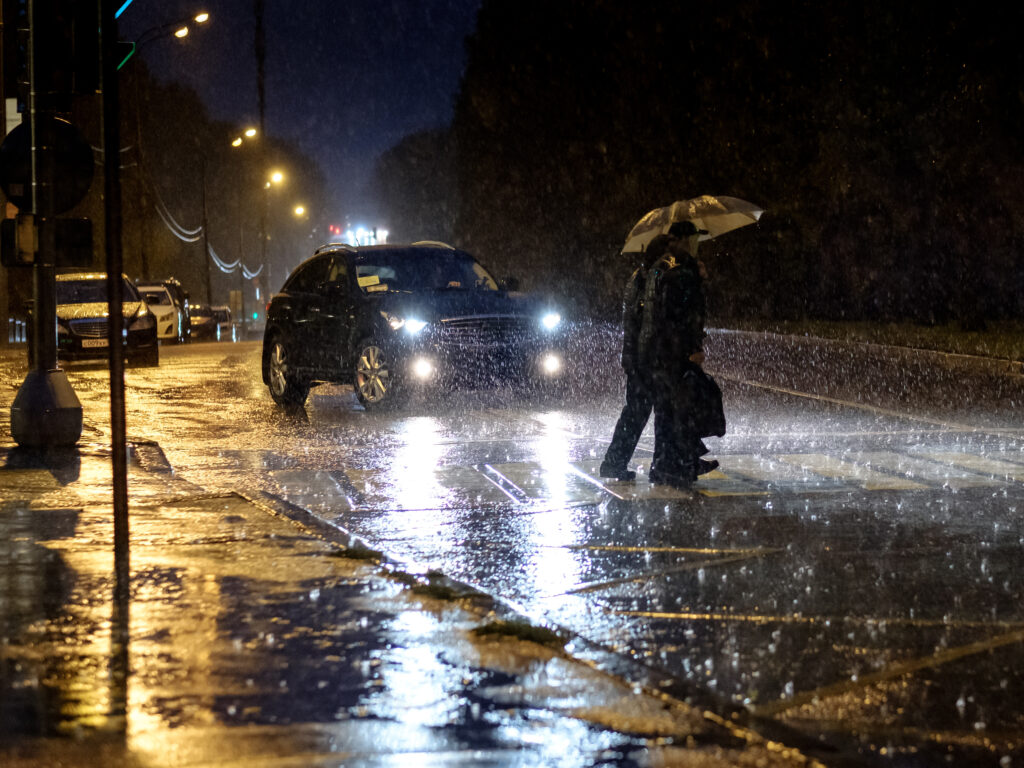
Black coats, dark hoodies and rainy pavements can make pedestrians difficult to see. Cyclists may also be harder to spot in poor light, particularly if their lights aren’t being used.
Add a wet windscreen, reflections and glare from oncoming traffic, and someone crossing the road can be surprisingly easy to miss.
This doesn’t mean pedestrians and cyclists are responsible for making themselves visible. As drivers, we need to look carefully and anticipate that other people may be difficult to see.
Trident Top Tip:
Look beyond the car in front.
* Scan pavements and road edges.
* Check carefully for cyclists before turning across their path.
* Look around parked vehicles, where pedestrians may emerge.
* Approach crossings and junctions at a speed that allows you to stop safely.
Don’t just look where you expect people to be. Look where they might be.
5. Familiar roads, unfamiliar conditions
You know this road. You’ve driven it dozens of times. You could probably manage it with your eyes closed.
Please don’t, obviously.
The problem is that a familiar road can feel reassuring even when the conditions have changed completely.
A dry road can become slippery after rain. Low sunshine can suddenly dazzle you. A bend that felt straightforward in summer may now be covered in wet leaves, while a country lane may have mud, standing water or a tractor leaving a little extra countryside behind it.
Rural roads can be especially challenging because of sharp bends, narrow lanes, limited street lighting and hazards hidden around corners.
Trident Top Tip:
Drive the road you’re on, not the road you remember.
Keep reassessing the conditions. Adjust your speed, positioning and following distance as necessary, and make sure you can stop safely within the distance you can see to be clear.
Your experience of a road is useful. Assuming it will always behave the same way is not.
6. Busy commutes, tired brains and the temptation to rush
It’s dark. It’s raining. You’re late. The traffic is barely moving, and your phone has just pinged.
Welcome to the perfect recipe for distraction.
As the days get shorter, many of us spend more time driving in darkness during the morning and evening rush hours. Add tiredness, stress, rushing or the temptation to check a notification, and concentration can quickly suffer.
For learner drivers, reduced visibility can also make familiar junctions and manoeuvres feel more challenging. That’s normal. Driving takes practice, and different conditions require different skills.
Trident Top Tip:
Give yourself time to concentrate.
* Allow extra time for journeys so you aren’t tempted to rush.
* Put your phone away before setting off.
* Never drive when you’re too tired to do so safely.
* Build experience of night driving gradually, with a qualified instructor where appropriate.
Being confident doesn’t mean pretending every journey is easy. It means recognising when conditions are challenging and adapting accordingly.
And if you’re running late? Arriving a few minutes later is considerably better than not arriving at all.
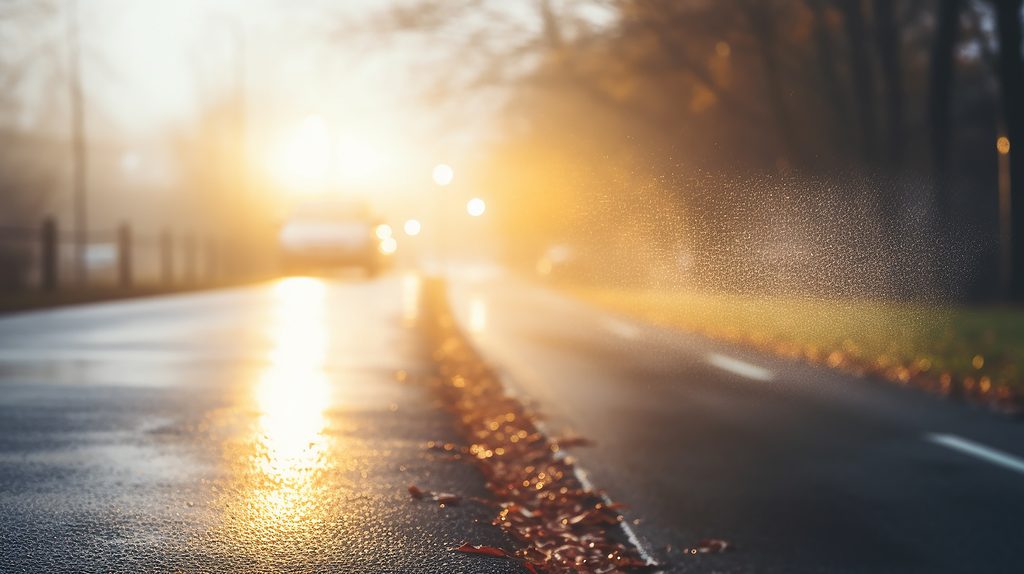
7. Low autumn sunshine: Nature’s very own full-beam headlights
We’ve talked about darkness, rain and fog. But what about those beautiful, bright autumn mornings?
Lovely for a walk. Less lovely when the sun is sitting directly in front of you as you approach a junction.
Low sunshine can dazzle drivers, making it difficult to see traffic lights, road markings, pedestrians and vehicles ahead. Wet roads and windscreens can make the glare even worse.
And no, squinting harder doesn’t count as a driving technique.
Trident Top Tip:
Don’t let sunshine catch you out.
* Keep your windscreen clean inside and out.
* Check that your wipers are working properly.
* Keep sunglasses handy for bright conditions.
* Use your sun visor.
* Reduce your speed if glare affects your vision, and be prepared to stop if you cannot see safely.
Bright sunshine doesn’t automatically mean good driving conditions. Sometimes the biggest hazard is the one shining straight into your eyes.
The autumn driving checklist
Before your next journey, take a moment to ask yourself:
* Can I see? Check your windows, lights, wipers and screenwash.
* Can others see me? Make sure your lights are on when needed.
* Have I checked my tyres? Condition, pressure and tread all matter.
* Have I left enough space? At least double your usual following gap on wet roads.
* Am I driving to the conditions? Adjust your speed when visibility or grip is reduced.
* Am I alert enough to drive safely? Tiredness and distraction can make a difficult journey even harder.
You don’t need to be afraid of autumn driving. You just need to recognise that the conditions have changed and be ready to change your driving with them.
Over to you!
What’s your least favourite thing about driving in autumn?
Is it the low sun, the dark evenings, the endless rain, or that one puddle that looks innocent but turns out to be hiding a crater?
Tell us in the comments. And if you’re a learner driver, we’d love to know which autumn driving conditions you find most challenging.
At Trident Driver Training, we’re here to help you build the skills and confidence to handle the road in all seasons.
Drive safely, leave yourself some space, and keep an eye out for those potholes!